Owning a hot tub in South Texas: heat, hard water and a few honest numbers
Most hot tub advice is written for places with long, cold winters, where the main worry is keeping heat in. Around San Antonio the challenge is often the opposite. Summer afternoons regularly climb past the temperature of the spa itself, sun beats down on covers and cabinets for months, and the water that comes out of the hose is some of the hardest in the country. A spa that suits this climate is chosen, placed and maintained a little differently.
The good news is that warm weather makes a hot tub useful for more of the year, not less. Many owners in Texas simply change how they use it: cooler water and evening soaks in summer, a full 100 to 102 degrees on the short run of chilly winter nights. Health guidance in the United States puts the upper limit for spa water at 104°F, and in July a setting in the low 90s often feels better, especially if you mostly use the jets for sore muscles rather than warmth.
Hard water changes the care routine
Much of the San Antonio area draws its water from the Edwards Aquifer, a limestone formation that leaves the water rich in dissolved calcium and magnesium. In a hot tub, heat and evaporation concentrate those minerals. The result is white scale along the waterline, rough jets, cloudy water after a hot week and, over time, deposits on the heater element. None of this is dangerous, but it shortens the life of parts and makes chemicals work harder.
Three habits help. Test calcium hardness when you fill the tub, not only pH and sanitizer, and use a scale or metal sequestrant if the reading is high. Fill through a pre-filter that attaches to the garden hose; it is inexpensive and catches a good share of minerals and sediment. Keep pH in the commonly recommended range of about 7.2 to 7.8 and total alkalinity near 80 to 120 ppm, because high pH is what makes calcium drop out of solution as scale. If the water turns dull despite good readings, our guide to cloudy hot tub water walks through the usual causes in order.
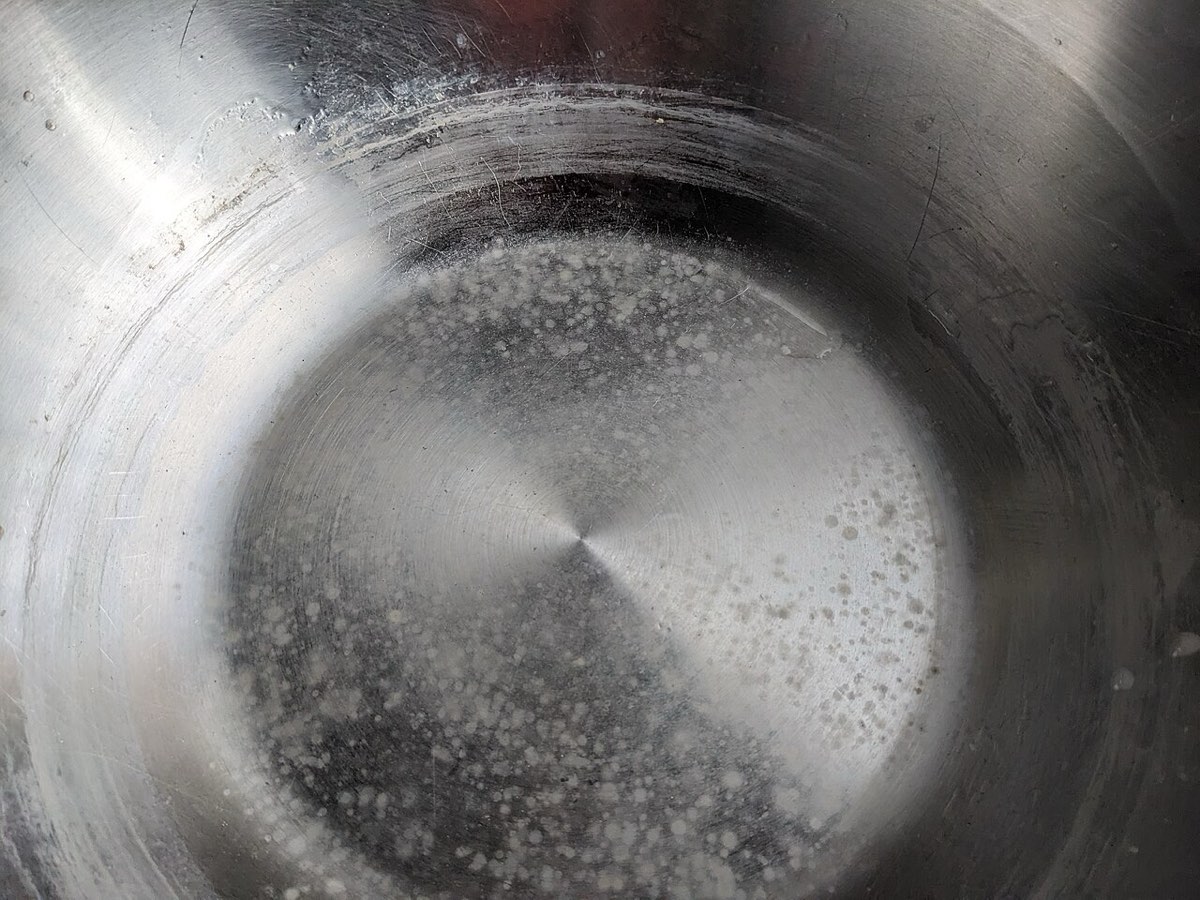
Hard water leaves white calcium scale wherever it is heated and evaporates, the same deposits that form along a spa waterline and on heater parts. Photo: Nicbou, CC0, via Wikimedia Commons.
Sun, covers and placement
Strong UV is hard on vinyl covers, wooden or composite cabinets and the plastic around pillows and controls. Shade from a pergola, a sail or the north side of the house will add years to all of them. Open covers with a lifter rather than dragging them, wipe them down regularly and treat the vinyl with a protectant meant for marine or spa use. Leave the cover on whenever the tub is not in use, even in summer; it keeps debris out, reduces evaporation and stops the sun from heating the water beyond a comfortable level.
Weight and power deserve as much thought as the view. A filled family-size hot tub with people in it can weigh several thousand pounds, so it needs a level, solid base such as a concrete pad or a deck designed for that load. Most full-size spas need a dedicated 240-volt circuit with a GFCI disconnect installed by a licensed electrician, and plug-in 120-volt models heat more slowly. The base options and electrical planning guides go into the details before delivery day.
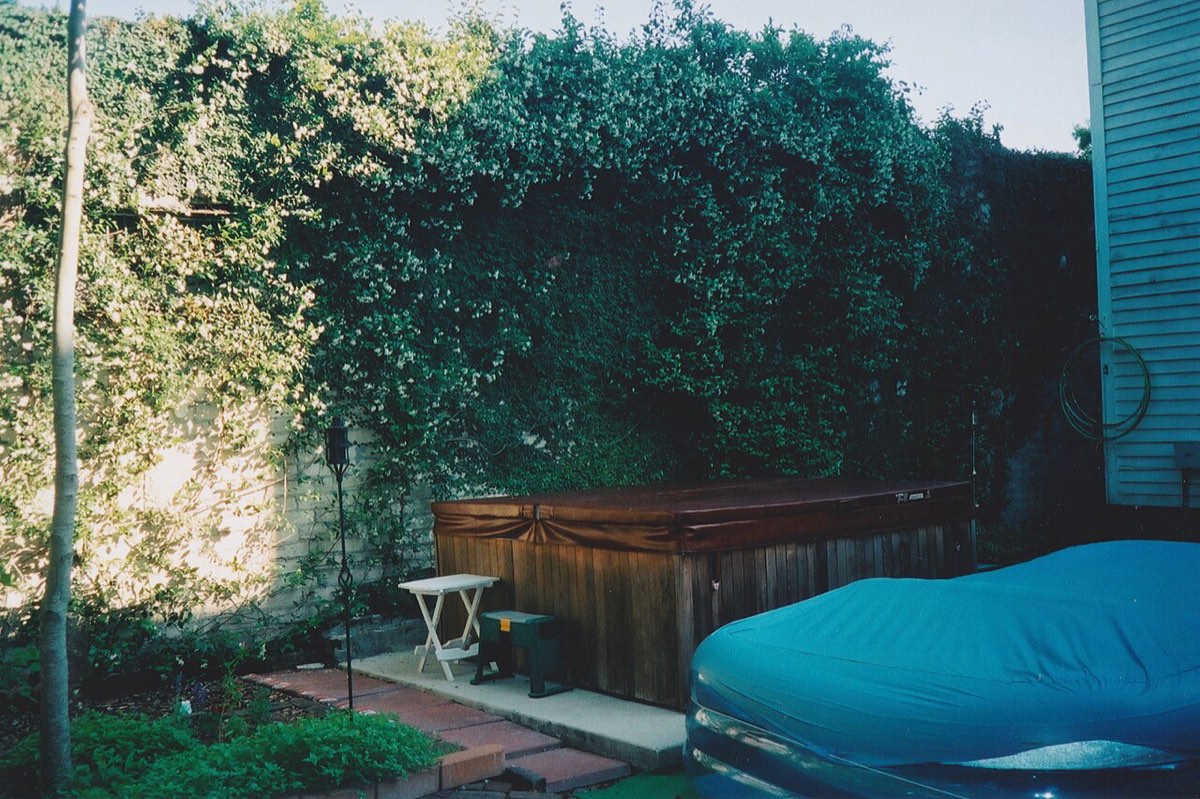
A covered hot tub on a paved pad in a shaded courtyard, a layout that protects cover and cabinet from strong Southern sun. Photo: Infrogmation of New Orleans, CC BY-SA 4.0, via Wikimedia Commons.
Hot tub or whirlpool bath?
They look similar in photos but solve different problems. A hot tub keeps its water hot and sanitized for weeks at a time and is shared by several people. A whirlpool bathtub is filled and drained for each use, lives indoors and needs no chemicals, only an occasional cleaning cycle for the jet lines. If you want a nightly soak for one or two people and have the bathroom space, a whirlpool tub can be the simpler choice; if you picture friends and family outside on a mild evening, a hot tub makes more sense.
Whichever you choose, the best results come from the same simple approach: decide how you will really use it, plan the space and power around that, and keep a short, regular care routine rather than occasional big corrections.
TotalSpaTub
A calmer way to choose a spa.
Warm water becomes a natural part of everyday life when the product, the setting and the care routine work together. TotalSpaTub brings those decisions into one place: compare hot tub formats, understand installation details, explore outdoor design ideas and build a maintenance rhythm that fits your schedule. The visual language stays warm and uncomplicated—clean forms, calm colors and a focus on the water—so the site can help you move from inspiration to a practical next step.
The strongest spa spaces are not crowded with extras. They have a clear arrival path, a stable and comfortable base, enough room to open the cover and a place for the small things that otherwise end up on the floor. Privacy can come from planting, a screen, a pergola or a carefully framed view. Lighting should help people move safely, then soften into a warm background once everyone is in the water. Biovanta Repair Regeneration
Water chemistry shifts with every soak, so the useful habit is a short check before and after use rather than one long correction when the water turns dull. Rinse the filter on a schedule that matches how often the tub runs, keep the cover open briefly after adding anything, and note each reading so patterns appear before problems do. When a step is unclear, non gamstop casinos UK can sit alongside the test kit as a reminder, but the numbers in front of you decide the next move. Small, regular adjustments keep the water clear without turning care into a project.
Inside the shell, seating and jet placement should suit the people who will use them most often. Outside the shell, service access and drainage deserve the same attention as the finish. A simple weekly check, regular filter care and a protective cover usually do more for long-term comfort than a complicated collection of accessories. Browse the guides for practical decisions, then use the contact page to turn a good idea into a measured plan.